

The landscape of education has been fundamentally transformed by the advent of online learning, offering flexibility, accessibility, and a host of other advantages that traditional classroom settings cannot match. As digital platforms and resources continue to evolve, more students and professionals are turning to online courses to enhance their skills and knowledge. This article explores five key reasons why online learning is more effective, providing detailed insights into how it benefits learners in today’s fast-paced world. By understanding these reasons, you can better appreciate the value of e-learning and how it can support your educational and professional goals.
1. Flexibility and Convenience
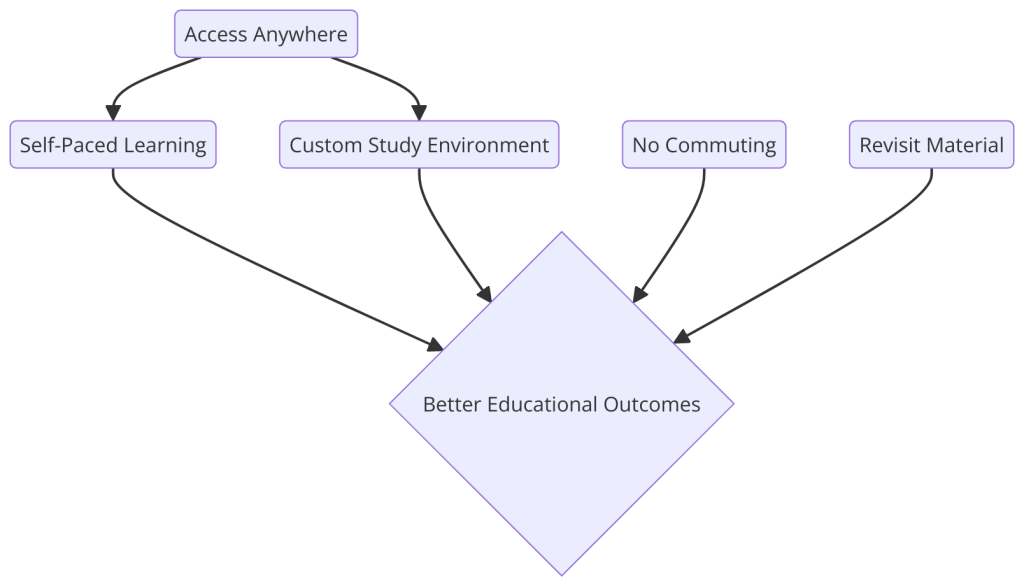
One of the most significant advantages of online learning is its unparalleled flexibility and convenience. Unlike traditional classroom settings, online courses allow students to access materials and complete assignments at their own pace and on their own schedule. This flexibility is particularly beneficial for those with busy lives, such as working professionals, parents, or individuals with other commitments. The ability to log in and learn from anywhere eliminates the need for commuting, making education more accessible and less time-consuming. This flexibility ensures that education fits around your lifestyle, rather than the other way around. For example, platforms like Coursera and Udemy offer courses that students can take at their own pace, allowing them to balance their studies with other responsibilities.
Online learning also allows for the customization of study environments. Students can choose where and when they study, creating a personalized learning space that enhances their ability to concentrate and absorb information. This level of control over the learning environment can lead to better educational outcomes, as students are not confined to the rigid schedules and environments of traditional classrooms. Additionally, the flexibility of online learning makes it possible for learners to revisit difficult concepts and review material as needed, promoting a deeper understanding of the subject matter.
2. Enhanced Retention and Engagement
Online learning platforms often utilize multimedia content, such as videos, interactive simulations, and quizzes, which can make the learning experience more engaging and enjoyable. Studies have shown that multimedia content helps students retain information better compared to traditional lecture-based courses. The use of varied content types caters to different learning styles, making it easier for students to understand and retain complex concepts. For example, visual learners can benefit from video lectures and infographics, while kinesthetic learners might prefer interactive simulations and hands-on activities.
The interactive nature of online learning also keeps students more engaged, reducing the likelihood of distractions and improving overall learning outcomes. Interactive elements like quizzes and discussions encourage active participation, which has been shown to enhance comprehension and retention. For instance, platforms like Khan Academy and EdX incorporate interactive exercises and immediate feedback to keep students engaged and motivated. This engagement is crucial for maintaining student interest and ensuring that they stay committed to their educational goals.
3. Cost-Effectiveness
Online education is generally more cost-effective than traditional classroom-based learning for several reasons. First, online courses often have lower tuition fees, as they do not require the physical infrastructure and maintenance costs associated with traditional schools. Second, online learning eliminates the need for physical materials like textbooks, as most resources are provided digitally. This reduction in material costs can make education more affordable for many students.
Moreover, online learning saves costs related to commuting and housing, as students can study from the comfort of their own homes. This affordability makes higher education and continuous learning more accessible to a broader audience. Additionally, many online platforms offer payment plans or financial aid, making it easier for students to manage their educational expenses. For example, platforms like FutureLearn and Skillshare offer subscription models that provide access to a wide range of courses for a single monthly fee, further reducing the financial burden on students.
The cost-effectiveness of online learning extends beyond individual savings. It also benefits educational institutions by reducing overhead costs associated with maintaining physical campuses. These savings can be passed on to students in the form of lower tuition fees, making education more accessible and inclusive. This financial model is particularly beneficial for institutions looking to expand their reach and provide quality education to a global audience.
4. Increased Access to Resources and Expertise
Online learning provides access to a wealth of resources and expertise that may not be available locally. Students can enroll in courses offered by top universities and institutions around the world without having to relocate. This global access to education allows learners to benefit from diverse perspectives and specialized knowledge that they might not find in their local area. For example, platforms like Coursera and EdX partner with prestigious universities to offer courses taught by leading experts in various fields, providing students with high-quality education from anywhere in the world.
Additionally, online platforms often provide a variety of supplementary resources, such as webinars, discussion forums, and digital libraries, which can enhance the learning experience and provide additional support. These resources allow students to delve deeper into topics of interest, engage with peers and instructors, and access up-to-date information and research. For instance, platforms like LinkedIn Learning and MasterClass offer extensive libraries of courses and resources that students can explore to supplement their learning.
The ability to connect with experts and peers from around the world also fosters a sense of global community and collaboration. Online learning communities can provide valuable networking opportunities, enabling students to build relationships with professionals and fellow learners who share their interests and goals. This global connectivity enhances the educational experience and prepares students for careers in an increasingly interconnected world.
5. Personalized Learning Experience
One of the standout benefits of online education is the ability to tailor the learning experience to individual needs. Online platforms often use adaptive learning technologies that adjust the difficulty and type of content based on the student’s progress and performance. This personalization ensures that learners receive the support they need in areas where they struggle while allowing them to move quickly through topics they understand well. For example, platforms like Smart Sparrow and DreamBox Learning use adaptive algorithms to create customized learning paths for each student, enhancing the effectiveness of the educational experience.
The ability to pause, review, and repeat lessons also helps reinforce learning, making the educational process more efficient and effective. Students can revisit challenging concepts and spend more time on areas where they need additional practice, ensuring a thorough understanding of the material. This flexibility is particularly beneficial for complex subjects that require repeated exposure and practice to master. For instance, students learning a new language on platforms like Duolingo can repeat lessons and exercises as many times as needed to build their proficiency.
Furthermore, online learning platforms often provide detailed analytics and feedback on student performance, allowing learners to track their progress and identify areas for improvement. This data-driven approach helps students take control of their learning and make informed decisions about their study strategies. For example, platforms like Canvas and Blackboard offer comprehensive analytics dashboards that provide insights into student engagement, performance, and progress, empowering learners to take an active role in their education.
In Conclusion
Online learning has proven to be a highly effective educational method, offering flexibility, enhanced engagement, cost savings, access to global resources, and a personalized learning experience. These advantages make it an attractive option for a wide range of learners, from busy professionals to students seeking additional qualifications. As technology continues to advance, the potential for online learning to provide even more innovative and effective educational solutions will only grow. By embracing online education, learners can take control of their educational journey and achieve their goals in a way that fits their unique needs and lifestyles. The benefits of online learning are clear, and its effectiveness is continually demonstrated by the success of millions of learners worldwide.